MONOPOLY: Bingo!
- 4.6
- Rating
- 1.00M
- Installs
- Free
- Price
 Analysis by App-foxy
I went into MONOPOLY: Bingo! expecting a familiar board-game theme wrapped around a simple bingo diversion, but its appeal is more specific than that. It is a free board game from Clipwire Games Inc that combines bingo-style number marking with dice rolls and the recognizable MONOPOLY setting. The result is a short-session game built around a clear sequence: take an action, watch the board respond, collect a reward, and decide whether the next round is worth starting.
That rhythm is the most important thing to understand before downloading it. This is not a full digital replacement for a long, strategic MONOPOLY match with friends around a table. It is closer to a casual mobile routine that uses the brand, bingo tension, and board movement to make repeated play feel inviting. I found it easiest to enjoy when I treated it as a quick break rather than a game demanding complete attention for a long stretch.
How the first move sets up the whole session
The opening action is deliberately easy to understand. You play bingo, roll dice, and let the board-game presentation turn those familiar actions into a connected activity. That combination gives the game a little more texture than a plain digital bingo card. You are not only waiting for numbers; you are also watching how the roll and board progress shape the next moment.
You May Also Like

 Blood Strike: 2.5 Anniversary
Blood Strike’s Loadouts Turn Every Drop Into a Tactical Gamble
A close look at Blood Strike’s custom loadouts: how fast access to signature weapons reshapes its battle royale rhythm, rewards preparation, and narrows the gap between fights.

 Pandora - Music & Podcasts
Pandora’s Music Is Easy to Start, but Harder to Recover
Pandora’s strength is its low-effort path from a seed to a station. Its weak spot is how much confidence it asks you to place in connection, setup, and quiet recovery.

 8 Ball Pool
 Is Built on Rivalries, Rematches, and Routine
A close look at the rivalries, rematches, shared routines, and unanswered safety questions that turn a quick pool match into a persistent mobile community.

 Samsung Music
’s Quiet Strength Is Playing What You Already Own
Its reach comes less from spectacle than from dependable access to a personal library. That simplicity is both the app’s strongest retention engine and its ceiling.

 AccuWeather: Weather Radar
AccuWeather Review: A Quick, Clear Forecast for Everyday Decisions
For everyday plans, the best forecast is the one you can understand quickly. AccuWeather makes rain timing, radar, and local conditions easy to act on, with a few trade-offs.

 Hill Climb Racing
Why Hill Climb Racing Still Turns Crashes Into One More Run
A tiny car, a bumpy hill and one more upgrade: Hill Climb Racing keeps resurfacing because its simple chaos makes every near-miss feel personal.
More From Our News Desk



For a new player, that simplicity is a genuine strength. I did not need to study a complicated ruleset before getting started, and the visual connection between bingo and the board makes the game feel coherent rather than like two unrelated mini-games placed together. The first few actions communicate the basic promise quickly: mark useful numbers, follow the board movement, and look for the next small payoff.
The trade-off is that the opening can feel light if you want deep decision-making immediately. Bingo naturally depends on chance, and dice add another layer of unpredictability. Your choices matter mainly in how you approach the available opportunities and how long you continue, not in controlling every result. Players looking for a highly strategic board game may find the first action more about anticipation than planning.
I think the best way to approach the opening is to avoid treating every roll as a major commitment. Start with a short session, learn how the bingo and board elements relate, and notice which rewards actually matter to your progress. That last point is useful because mobile games often present several tempting objectives at once. Paying attention to the rewards you can realistically reach prevents the session from becoming a vague chase after everything on screen.
The game is rated Teen, so it is not positioned as a small-child experience despite the familiar family-board-game name. That matters for parents deciding whether to hand it to a younger player. I would check the store and device settings personally before assuming that the MONOPOLY branding makes it suitable for every age group.
The feedback rhythm keeps ordinary actions moving
What makes the loop work is the feedback after each action. A bingo result gives you an immediate reason to keep watching, while the dice roll changes the board state and creates another point of interest. Even when the outcome is modest, the game gives the session a sense of forward motion. I rarely felt that I was simply tapping through an empty waiting room.
This rhythm also explains why the game can be relaxing. The actions are familiar, the rules are approachable, and the board presentation gives each small result a bit of context. I could play while taking a short break without needing to remember a large set of instructions. At the same time, the combination of number calls, rolls, and rewards gives enough movement to stop it from feeling completely passive.
There is a subtle difference between relaxing and mindless, though. Bingo rewards attention, especially when several numbers or possible outcomes are competing for notice. If you play while constantly switching between other tasks, you can miss the moment that makes the next action worthwhile. For me, it works best during a short pause when I can look at the screen regularly, not as background entertainment during a busy conversation.
One practical tip is to judge the game by the quality of its feedback rather than by how quickly you can tap. The satisfying part is seeing a number, roll, or board change connect to a possible reward. Rushing through actions can make the game feel repetitive because you stop noticing the small decisions around continuation. Taking a second to read what changed gives the loop more meaning and helps avoid spending effort on goals that are no longer useful.
Another useful habit is to identify the point at which your attention drops. Because the game is built around repeating a recognizable sequence, it can be tempting to continue automatically. I found that the best sessions ended when the loop still felt inviting, rather than after I had already started tapping from habit. Stopping at that point makes returning later feel like a choice instead of an obligation.
Rewards give the next roll a reason to exist
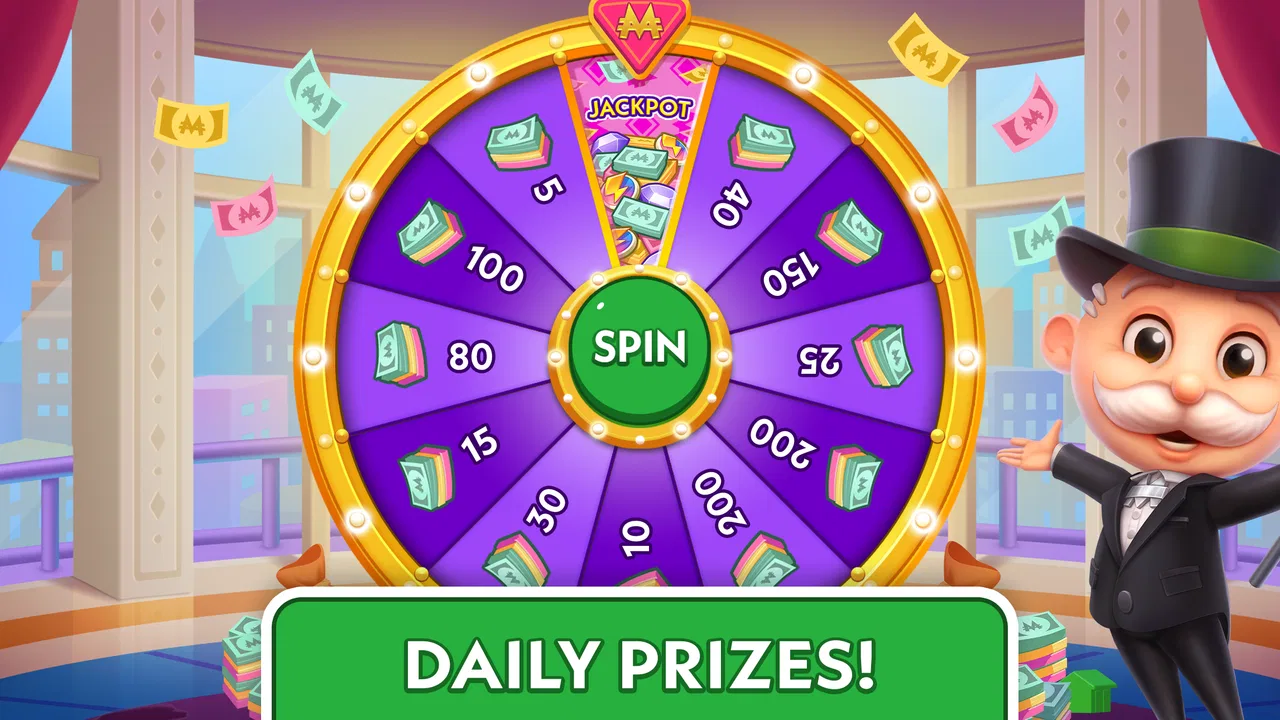
The reward stage is where the board-game theme earns its place. A bingo result on its own can be satisfying, but the surrounding board progress gives the outcome a broader purpose. You are not only completing a number pattern; you are also building toward the next piece of progress. That layered feedback is why a small win can feel more substantial than it would in a bare-bones bingo app.
I also like that the reward moment creates a natural pause for decision-making. After receiving something, I can ask whether I want another round, whether the next target looks attainable, and whether I am still enjoying the pace. That pause is easy to overlook, but it is important in a game designed around repeated sessions. The most enjoyable play comes from choosing the next action, not from assuming that every reward must lead directly to another round.
There is a financial consideration here. The game is free to download, but in-app purchases range from $0.49 to $199.99 per item. That is a wide range, and it makes it especially important to decide your personal spending boundary before playing. I would not recommend entering a session with the idea that a purchase is necessary to make the basic loop worthwhile. Try the free experience first and see whether the bingo-and-board cycle is enjoyable without paid acceleration.
That advice is particularly relevant for players who are sensitive to reward-driven spending. The loop is intentionally good at making the next round feel close at hand: an action produces feedback, feedback points toward progress, and progress makes another action attractive. I do not see that as automatically negative, but it does mean that self-control is part of getting a good experience. If you prefer games with no purchase prompts or no chance of impulse spending, a traditional offline board game may be a better fit.
For players who do spend, I would treat purchases as optional entertainment rather than a solution to frustration. A payment should not be the reason you continue a session you no longer enjoy. The strongest use case is someone who already likes the core loop and wants to support or extend that experience, while the weakest is someone hoping a purchase will transform a chance-based game into a strategic one.
Why the reset makes another session appealing
Every short game needs a reset that feels clean rather than disappointing. Here, the reset comes when a bingo attempt and its board progress reach a natural stopping point. You can put the phone down, return later, and begin again without needing to reconstruct a complex tactical position. That makes the game convenient for commutes, waiting rooms, or a few minutes between tasks.
I tested the idea of using it as an everyday break, and that is where the design makes the most sense. Imagine having ten minutes before an appointment: you can open the game, complete a few actions, follow the result, and stop when the current cycle feels complete. You do not need to reserve an entire evening or gather other players. The session has a beginning, a middle, and a natural exit.
The same reset can become a weakness for players who need a strong long-term arc in every session. If you want a board game where one carefully planned match develops through negotiation, property choices, and a decisive finish, this will not provide the same experience. Its reset is convenient because it keeps the commitment small, but that also means the emotional stakes are lighter than in a full tabletop match.
That distinction helps answer a common question: is this a replacement for the usual MONOPOLY board game? In my view, no. It borrows the board-game identity and adds bingo and dice to create a mobile-friendly loop, but it should be treated as a separate casual interpretation. Choose it when you want quick, repeatable play with a familiar theme. Choose a traditional digital or physical board-game version when your priority is longer strategy, direct competition, or the social experience of playing with people you know.
It is also not the best choice for someone who dislikes chance as the main source of excitement. Bingo and dice are central to the experience, so patience with unpredictable results is necessary. Players who prefer puzzle games, card battlers, or turn-based strategy with more control may find the repeated uncertainty tiring. On the other hand, that same uncertainty is exactly what gives a short session its small burst of suspense.
Practical fit, platform expectations, and long-term appeal
The game is available at no upfront cost and requires an operating system version nine or later. That makes checking your device compatibility straightforward before installing. The current version is 1.11.3, so I would keep the app updated through the normal store process when possible, particularly if you want the smoothest experience on a supported device.
Its audience size suggests that the concept has found a substantial mobile audience: it has passed one million installs, with a 4.7 average from around 89 thousand ratings and roughly 5.2 thousand written reviews. I would read those figures as evidence of broad appeal, not as a guarantee that the loop will suit everyone. Casual games can receive strong overall reactions while still frustrating players who want more control or fewer monetization choices.
The developer, Clipwire Games Inc, has chosen a recognizable foundation but does not rely on the MONOPOLY name alone. The bingo layer is what makes this particular game distinct. Without it, the board presentation would risk feeling like a simplified imitation of the original. With it, the app has a reason to exist as a quick mobile activity, although that reason works best for people who enjoy repeated chance-based rounds.
A less obvious strength is how easily the game can fit different attention levels. You can give it focused attention when a bingo pattern is developing, or use it as a lighter break when you only want a few actions. The important limitation is that the game remains more rewarding when you are present enough to follow the feedback. It is flexible about session length, but not entirely effortless if you want to make sensible choices about continuing.
Another trade-off is emotional pacing. The game can create a pleasant sequence of small wins, but it is unlikely to deliver the dramatic turning points of a full board-game match. That is not a flaw if your goal is relaxation. It becomes a flaw if you are searching for a memorable competitive story that unfolds over a long session. I would describe the experience as steady and snackable rather than intense and strategic.
My verdict on the complete action-to-reset loop
MONOPOLY: Bingo! works because its loop is easy to enter and easy to repeat. You begin with a bingo action or dice roll, receive quick feedback, collect a reward, reach a natural reset, and find yourself considering one more session. The board theme gives those steps a recognizable shape, while bingo supplies the uncertainty that keeps the next result interesting.
I recommend it to players who want a casual board game for short breaks, enjoy bingo mechanics, and like the idea of MONOPOLY without committing to a full-length match. It is also a reasonable choice for someone who wants a low-pressure mobile routine with enough visual progress to make repeated play feel purposeful. The game’s free entry makes trying that loop simple, provided you remain comfortable with the optional in-app purchase range.
I would skip it if you want deep control over outcomes, a purely social tabletop experience, or a game free from reward-driven repetition. I would also be cautious if you are likely to spend impulsively just to keep a session moving. For those players, a classic board-game app with more deliberate strategy, a non-monetized puzzle, or a physical game with friends may be more satisfying.
My final impression is positive but specific: this is best understood as a compact bingo-and-board routine, not as a complete MONOPOLY simulation. When I play it in that context, the action, feedback, reward, and reset all fit together naturally. The reason to begin another session is not a huge strategic payoff; it is the promise of one more small, unpredictable result. If that kind of repeatable, chance-led break sounds enjoyable, this game is worth trying.
FAQs for MONOPOLY: Bingo!
01What is MONOPOLY: Bingo! and how does it differ from traditional Monopoly?
MONOPOLY: Bingo! combines elements of the classic Monopoly board game with the exciting gameplay of bingo. Instead of buying properties and collecting rent, you mark off numbers on your bingo card as they are called. This blend of strategy and chance makes it a unique and engaging experience, appealing to fans of both games.
02Is MONOPOLY: Bingo! free to play, or does it have in-app purchases?
MONOPOLY: Bingo! is free to download and play, but it does offer in-app purchases. These purchases can enhance your gaming experience by providing extra coins, power-ups, and other bonuses. While you can enjoy the game without spending money, some players find these purchases helpful for faster progression and competitive play.
03What platforms is MONOPOLY: Bingo! available on?
MONOPOLY: Bingo! is available on both Android and iOS platforms. You can download it from the Google Play Store for Android devices and the Apple App Store for iOS devices. This accessibility ensures that you can enjoy the game on a variety of smartphones and tablets.
04Do I need an internet connection to play MONOPOLY: Bingo!?
Yes, an internet connection is required to play MONOPOLY: Bingo!. The game involves real-time multiplayer bingo sessions, which necessitate a stable internet connection to ensure smooth gameplay and interaction with other players. This connectivity also allows for regular updates and new features.
05Can I play MONOPOLY: Bingo! with friends, or is it a single-player game?
MONOPOLY: Bingo! offers both single-player and multiplayer modes. You can play solo and enjoy the classic gameplay or connect with friends and other players worldwide to compete in bingo matches. This social aspect adds an extra layer of fun and competition, making it a great option for both solo and social gaming sessions.
Pros
- Engaging blend of bingo and Monopoly.
- Colorful
- high-quality graphics.
- Frequent updates with new features.
- Easy to learn for all ages.
- Interactive multiplayer mode.
Cons
- Requires constant internet connection.
- In-app purchases can be pricey.
- Occasional ads disrupt gameplay.
- Limited free content access.
- Can drain battery quickly.

MONOPOLY: Bingo!
Gallery